

It's always something.
Written by Paul Siluch
March 20th, 2026
There are two kinds of market declines:

AI Image
- The first are caused by wars, like today.
- The second kind of declines is credit events – weak borrowers default and loans go bankrupt. This can happen to banks, like in 2008, and even entire countries, as several countries in Asia experienced in 1997.
To be honest, if I had to choose one, I’d choose the first. Geopolitical flare-ups tend to burn fiercely and end sooner. Provided the damage is limited, economies bounce back.
Where We Are Today
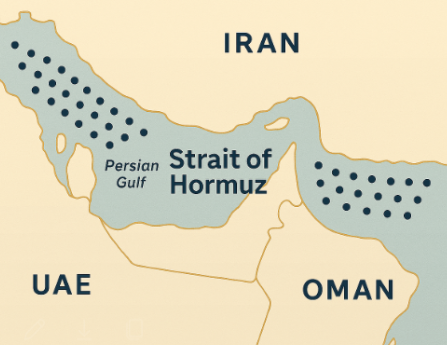
The Strait of Hormuz is effectively closed.
This is the narrow channel of water along the coast of Iran, through which 20% of the world’s oil flows by tanker ships. Liquified natural gas (LNG), fertilizers, and aluminum are also shipped through in volume.
Three weeks after the attacks began, few ships are bold enough to brave the missiles and drones still being launched by Iran. The world can absorb a few weeks of oil supplies being choked, but after that, things get dicey.
Brian Levitt of Invesco thinks we have 20-60 days worth of oil in reserves before supplies get tight. Some tankers from India, Pakistan, and destined for China are being allowed through the Strait, which may help.
For now, oil is elevated but below its recent peak. This suggests either a negotiated truce or capitulation by either Iran or the U.S. could occur. The U.S. is tired of endless wars and, with mid-term elections approaching, politics now matter as much as missiles.
Down but Not Out
Stocks are down, as you would expect. The Dow Jones Industrial Average hit its lowest point of the year on Wednesday while Canada’s TSX index remains slightly higher due to our energy stocks.
There are two factors impacting stocks and bonds today.
- Inflation is rising due to higher oil prices. Food transport, airline travel, mining…many industries are impacted by higher oil prices.
- Interest rate cuts are on pause. Many homeowners hoped their mortgage rates would drop and governments need lower rates to finance their deficits. Canada did not cut rates this week. Neither did the U.S. Federal Reserve.
This conflict will end and oil prices will decline, at some point. The point is not to panic.
Oil may end up like gold, however: permanently higher after all this settles down. Oil is important for plastics, fertilizer, jet fuel and a hundred other irreplaceable parts of modern life. The world was just reminded how important dependable oil supplies are.
Surprise Winners
Nutrien, the Canadian fertilizer giant, has emerged as a beneficiary. We have cheap natural gas to make ammonia fertilizers and some of the richest potash deposits in the world in Saskatchewan. None of it sails through a narrow channel in the Middle East.
Canadian Railways. Whether it is fertilizer, oil, grain, or coal, Canada’s resources need to be shipped by rail. And when the world suddenly wants what we have as soon as possible, our rail network benefits.
Quality companies on sale. Fear is high right now. Markets may drop further, but they usually don’t fall far when many have already sold. There will be opportunities.
Rising Deficits and Sneaky Hidden Taxes
It is tax time in both Canada and the U.S. right now. Taxpayers are gathering up their tax slips. Accountants are working 12-hour days to meet filing deadlines in April.
The bad news? Your accounting bill in British Columbia is going up this year by 7%. Accounting fees are now subject to the provincial 7% sales tax. Your accountant won’t see a penny of it because this all goes to the provincial government.
Lucky us.
Government deficits are rising everywhere.
- The City of Victoria is hiking property taxes by 7.2% (Times Colonist).
- The province of B.C. projects a $13.3 billion deficit, the highest in history (TD Economics).
- Canada is running a $78.3 billion deficit (TD Economics).
And the U.S.? A $2 trillion deficit – over twenty times Canada’s overspending, per capita.
It is the same in every county, country, and continent. Governments have spent too much, and now interest on their old debt is compounding on top of the new debt.
How this ends is the subject of another letter, but for the moment, people must be aware of the many small and often hidden tax hikes that are being assessed on our income and our assets. The city property tax hike is just the start.
One hike that hits many local homeowners is the new rule on deferring B.C. property taxes.
We used to be able to defer property taxes and be charged at a low rate. Any unpaid taxes were charged prime less 2%, which worked out to just 2.45% today (the prime rate today is 4.45% - RateHub). And it didn’t compound.
The new rate will be prime plus 2%, or 6.45%. And it compounds annually.
What should people who have deferred tax balances do?
Although the legislation has not been passed yet, it appears that only 2026 and later taxes will cost more to defer. Existing balances remain at the low tax rate.
Homeowners that defer their taxes should probably begin paying their property taxes annually, while leaving their existing tax deferment balances as is. Ask your accountant, but this is likely the best path forward.
(British Columbia’s Property Tax Deferment publication)
There will be more tax increases like this. Property tax increases, higher tax brackets, more sales taxes…
At the rate governments are spending, they have no choice.