

Japanification
Written by Paul Siluch
May 8th, 2026
Imagine buying a new five-bedroom home for US $90,000.
In a safe and modern country.
Now imagine buying an old eight-room house for US $6,500. With a small rice field that grows all the rice you can eat for a year.
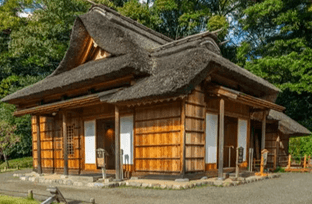
Architecture courses.org
My wife and I travelled to Japan recently and hiked for eleven days through rural Japan. Our guide, Takashi, told us 13% of all homes in Japan are empty.
“There are nine million vacant homes in Japan. Most have no heirs or are tied up with relatives who don’t want them. They almost give them away,” he told us.
A new five-bedroom home in Hokkaido, Japan’s northernmost island, costs US $90,000. One tenth of what a comparable home in Canada costs. Hokkaido is seen as remote and few young people want to live there. They move to Osaka and Tokyo, where the jobs are.
The same thing happened in Italy. Young people have left the countryside, and only old people are left. When they die, their homes get stuck with multiple relatives – some distant - unable to agree. Around 27% of homes in Italy are empty.
Spain has harsh redevelopment laws. Many estate homes needing renovation are stuck in endless regulations. Close to 15% of homes in Spain sit empty. Some towns offer them almost for free to attract young owners.
Boom To Bust
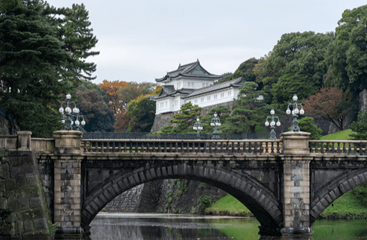
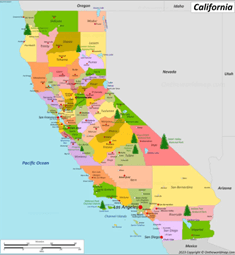
Japan once had the most expensive real estate on the planet. It was said that the ground under the Imperial Palace was worth more than the entire state of California. Not anymore.
Japan is the second oldest country on Earth with an average age of 50 in 2024 (World Population Review). Japan’s aging population and falling birth rate are well-known but other countries are catching up. Italy’s average age is 48 and Spain is 47.
- Canada’s average age is 42
- China’s average is 40
- U.S. average is 39
- India’s average is 30
Aging populations are a worldwide problem.
And when the elderly can’t sell their homes, their communities die with them.
“Show me the incentive and I’ll show you the outcome.”
- Charlie Munger
Contrary to popular belief, aging populations can increase real estate demand:
- Kids don’t take in parents much anymore. Parents stay in their homes.
- Divorce is more common among the elderly than in previous generations. Two old people, two houses.
- Aging in place means people are staying in their homes longer and longer.
You can’t escape the gravity of age, though. Real estate demand declines as death rates rise. Japan’s excess supply of homes began in the 1980s but it took decades to show up in prices as people began to die out.
The biggest factor holding up Japanese house prices? Government incentives.
Homebuilding has been seen as sacred government policy since 1945. Japan experienced a severe housing shortage after WWII and with so many people needing homes, the government lowered taxes on land with a house and increased taxes on vacant land.
A vacant lot was taxed six times higher than one with a structure on it.
The policy worked. Millions of homes were built. But this tax incentive still exists, making it far cheaper to leave a house empty than to demolish it.
Inherit a home in the country? Over here, you might tear it down and put the land to other use. In Japan, people are better off leaving it empty or selling the old home for pennies. Just to save on property taxes.
Italy and Spain have similar problems. Inheritance laws are extremely complex, meaning multi-generational families may all own a family home together and never agree on what to do with it. Heritage and anti-development laws further freeze redevelopment.
The New “It” Destination
Japan is a top destination for global tourists today. It wasn’t always. In 2011, the country had just 6 million visitors (Tourism Japan). Today? It had 42 million in 2025 with a goal of 60 million visitors by 2030. That’s 50% of the country’s population flying to a relatively small country.
What changed?
For starters, the cost. The yen has been cut in half versus the U.S. dollar since 2011.
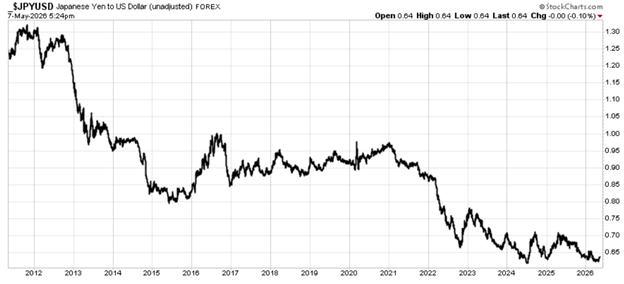
Everything from trains to hotels are now half as expensive. Japan is also exceptionally clean, safe, and hospitable – features that make the Land of the Rising Sun stand out in what feels like an increasingly hostile world.
However, as we walked through shrinking towns and slept in centuries-old ryokans run by people in their 70s and 80’s, I asked “Could this happen in Canada?”
Could It Happen Here?
Canada has the opposite problem. We have had record immigration for years and houses are expensive to build. As a result, we do not have enough homes and need to keep building.
Canada’s inheritance laws are straightforward and estates move relatively quickly. Old homes can be demolished to build new ones.
This means Canada has much stronger support for real estate prices than other countries. But immigration is declining and we now have more than 20% of the population over age 65.
Rural areas like Atlantic Canada and the prairies face the same declining youth problem as Japan. There are fewer jobs and the young don’t want to fish or farm any longer. So, we are seeing out-migration and regional weakness, just as Japan has.
I left Japan nervous about real estate in an aging world. After thinking it through, I believe Canada’s house market is in much better shape.
That said, real estate prices here face significant headwinds. Our homes are too expensive for young people to afford, we are already carrying too much mortgage debt, and the extreme rate of immigration has slowed.
As a result, we could see flat prices for years in the cities, and further decline in remote areas.
But we won’t be buying homes for US $6,500 any time soon.
Japan data: National Housing and Land Survey
Italy: Nssmag.com
Spain: inspain.com
Age data: Georank