

Waging War on Obesity
AI Image
Written by Paul Siluch
September 16th, 2026
All life needs fuel to survive. Humans call this ‘food’.
When we are low on food, our body reminds us to eat. We call this ‘hunger.’
In the case of adolescent boys, it is also known as 'all the time.'
Somewhere over the past several decades, modern food began overpowering our systems that regulate hunger and fullness. Around 68% of Canadian adults (StatCan) and 72% of U.S. adults (CDC) are now overweight or obese. Obesity has become a mass chronic disease.
What happened?
There is no single culprit.
- Sedentary lifestyles
- Cheaper calories
- Larger portions
- Less sleep
- Ultra-processed foods
…all contributed.
Some observers also point to the addition of high-fructose corn syrup and other added sugars to soda, cereal, sauces, breads, and snack foods after 1980. The precise causes remain debated, but the overall trend is clear: people are consuming more calories than their bodies can use.
From a Desert Lizard to a Drug Revolution
Many approaches have been tried to help people lose weight. Diets, appetite suppressants, and bariatric procedures are just a few.
Some work well, but sustained weight loss has remained elusive for all but a determined few.

In 2005, a class of medications called incretins was developed to help people with Type 2 diabetes lower their blood sugar levels. These were first discovered in the saliva of the Gila monster, a lizard that eats only a few large meals each year, yet manages to regulate its blood sugar and digestion over these long periods of fasting.
Natural GLP-1 hormones in humans slow stomach emptying and increase the feeling of fullness. Unfortunately, what we produce breaks down within 1-2 minutes.
The peptide produced by the Gila monster mimics our natural GLP-1 but, since it is resistant to breaking down, it remains active in our systems for days rather than minutes. The first drug based on this was Byetta, introduced in 2005.
Dieting often fails because people tend to force themselves to stop eating. Synthetic GLP-1 drugs work because people simply don’t feel hungry.
The drug was extensively tested for side effects and relatively few were found. Ozempic was approved for people with diabetes in 2017 after trials involving over 10,000 participants, and Wegovy followed in 2021 for obesity.
Ozempic and a newer dual version called Mounjaro have since exploded in popularity. Users taking Ozempic (a single receptor drug) lost 14.9% of their weight over 18 months. Those on Mounjaro (the dual receptor version) lost an average of 20.9% of their body weight (StudyBackedHealth.com).
More Than Weight Loss
Other positive outcomes appeared.
- Cardiovascular risk is lowered in some users
- Liver disease and sleep apnea showed improvement.
- Recent mouse studies have suggested the possibility of extending life by 10-12% when taking the drug in old age, although it remains unclear whether similar effects will occur in humans.
- Dementia risk may be lowered.
- Some people report reduced urges related to addictive behaviours, such as smoking, gambling and drinking.
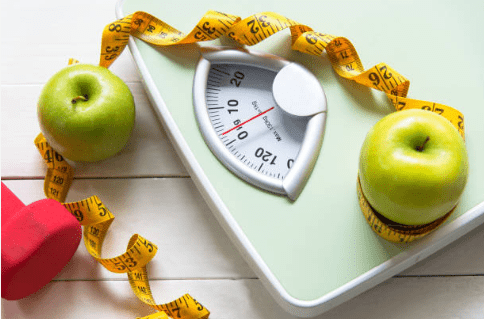
In 2023, 5 million people in the U.S. were using GLP-1 drugs. This more than doubled to 12.9 million this year and could almost triple to more than 30 million by 2030 – about 10% of the entire U.S. population (JPMorgan Global Research).
What comes next? GLP-1 drugs are taken by injection, which deters many people. The next frontier is oral medicine – pills – which appeared early this year with Wegovy tablets.
Eli Lilly, the two-receptor leader, plans a triple-receptor injection in 2027 to achieve even more weight loss.
Should You Take Them?
No medicine is free of trade-offs.
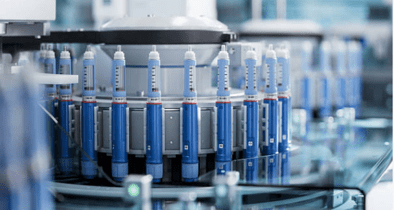
When statins first became widely used, advocates joked that they were so beneficial they should be put in the drinking water. Statins reduced cardiovascular risk, but side effects like muscle loss and liver damage appeared.
Statins are still widely used, but we don’t get them from our taps.
Similarly, GLP-1 drugs also have side effects. There is evidence of some hair loss, muscle loss, nausea, and some loss of joy because cravings for everything can be dulled. When you stop taking these drugs, you often regain all the weight. They can also be expensive.
For someone struggling with obesity, diabetes, sleep apnea, joint pain, or other weight-related conditions, GLP-1 drugs may offer benefits that far outweigh the drawbacks.
For someone who is already healthy, active, and at a normal weight, the equation may look very different. Losing 20 pounds is not the same as treating a chronic disease.
Like any medicine, the question is not whether GLP-1 drugs are good or bad. The question is whether the benefits exceed the costs for you.
Also, as with any prescription medication, decisions about GLP-1 treatment should be made in consultation with a healthcare professional.
Duopoly
There is a rising tide of GLP-1 drug use. Yet only 2% of the global obese population is currently taking these medications today (JPMorgan research).
Novo Nordisk and Eli Lilly are today’s leaders. Lilly's tirzepatide franchise has produced stronger average weight-loss results in headline trials, while Novo remains a formidable competitor with manufacturing scale, an established prescriber base, and leadership in the new oral pills.
Competition is intensifying, but for now, the market remains concentrated around these two pioneers.
Winners, Losers, and Adapters
As investors, we are aware that the most obvious trades – the companies making the drugs – are not always the biggest winners. Are there other industries affected when millions of consumers suddenly want less food?
A Cornell University study found grocery spending declined 5.3% within six months of starting GLP-1 therapy. Spending on savoury snacks declined 10% and average restaurant and bar spending declined 30% per month on average (foodbusinessnews.net survey) through patrons ordering smaller portion sizes.
We hold some companies that could be affected:
- PepsiCo, for example, sits right in the crosshairs with its snack foods and sodas
- General Mills is also exposed through its cereals and processed foods
Getty Images
Eat More Protein
One of the GLP-1 side effects is muscle loss. This is also a condition that hits all humans as we age – on average, we lose about 1% of our muscle mass per year after the age of 40. We are now encouraged to eat more protein to combat this. Taking GLP-1 drugs makes extra protein even more necessary.
Food companies have already started taking advantage of this.
General Mills says it expects a 25% increase in net sales from new products with higher protein and fibre content (GeneralMills.com) through products like Cheerios Protein. The company is adapting aggressively.
PepsiCo is revamping its Muscle Milk, Quaker, and Starbucks co-branded coffee drinks to include more protein and smaller portion sizes.
These companies are not conceding the future. By offering smaller portions, higher protein density, and fresher servings, they are adapting to deliver the nutrients that consumers still need when appetite falls.
Less Obvious Beneficiaries
The effects extend beyond food. Significant weight loss may increase demand for new clothing, fitness, skin care, dermatology, and aesthetic procedures.
Rapid weight loss can lead to sagging skin and a gaunt look. AbbVie, through Botox and its aesthetics portfolio, is one possible beneficiary.
Athletic brands could benefit if healthier consumers became more active, although that connection has yet to be proven. Could we finally see a resurgence in Nike, as a result?
AbbVie, Nike, PepsiCo and General Mills are owned in our Dividend Value portfolio.
Conclusion
The story of GLP-1 drugs is about far more than weight loss.
A peptide identified in a desert lizard helped unlock one of the most important medical advances of our generation. These drugs are reshaping how people eat, how food companies innovate, and potentially how millions of people manage chronic disease.
Much like statins transformed cardiovascular medicine a generation ago, GLP-1 therapies may alter the trajectory of obesity and related illnesses. The implications reach into restaurants, packaged food, beverages, apparel, insurance, and consumer spending.
The winners of the next decade may not be the companies that sell the most food. They may be the companies that best understand a world where people finally need less of it.
Buckle Up
September is considered the worst month of the year for stock performance. On average, we lose almost 1% (data from StockCharts 1980-2025), the only month of the year with an average loss.
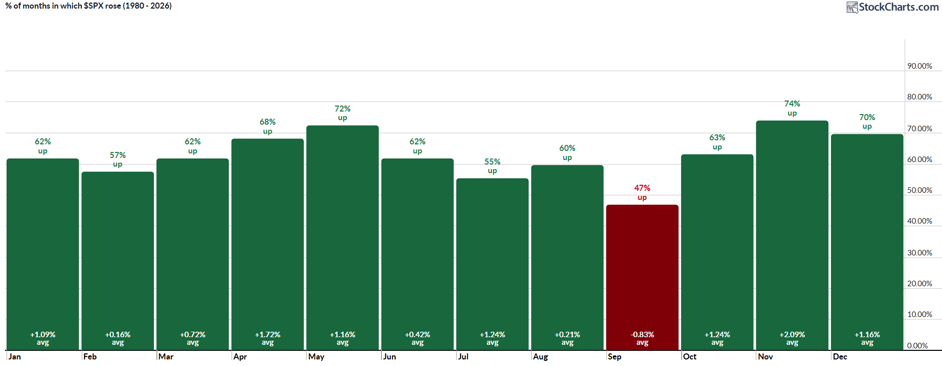
It can be worse in mid-term election years, like today.
The good news?
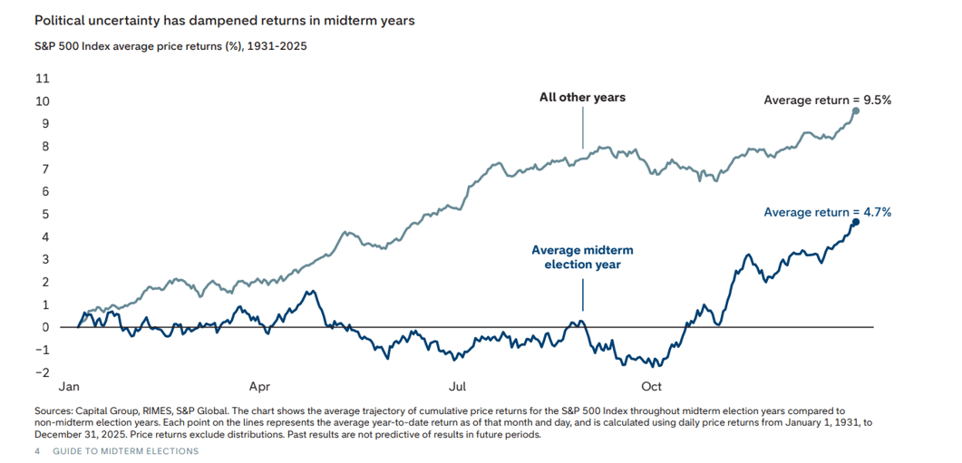
Following the elections, we usually see an above-average recovery.
The message is, don’t look at your statements for a few months.