

Throw Them Out!
Written by Paul Siluch
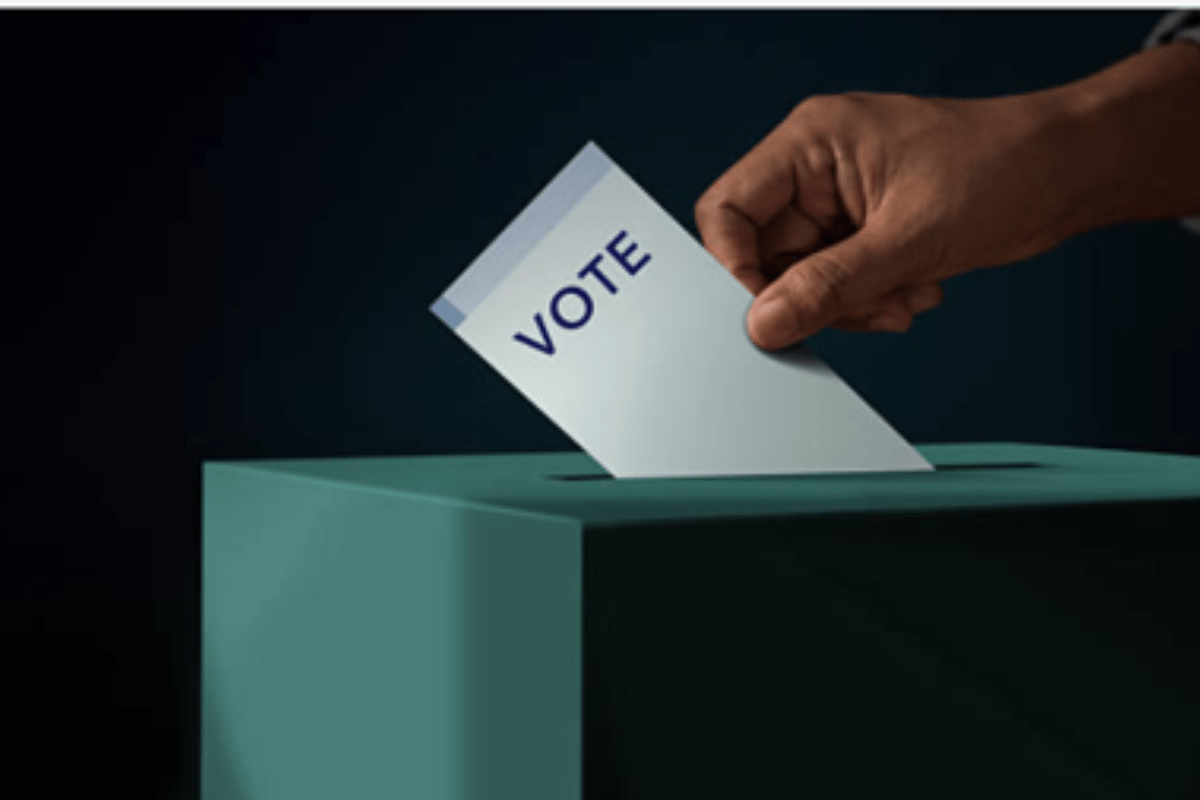
Democratic elections are mechanisms for citizens to vote.
Usually, their purpose is to vote someone in. Sometimes the purpose is to throw someone out.
At the ballot box, voters express both their hopes and their frustrations. When people are unhappy, they rarely spend time debating political theory. They simply look for someone to blame.
And in democracies, the people in power are usually the first to be blamed.
(GettyImages Creative #: 2258061553)
If rent doubles, groceries become unaffordable, or gasoline prices spike, voters rarely care whether the cause was a central bank, a war halfway around the world, or an economic policy mistake made 10 years ago.
They blame the government.
Then they throw them out.
The recent U.S. midterm elections were a prime example. Republicans lost control of both the House and the Senate, significantly reducing President Trump's ability to advance his agenda during the final two years of his term. Democrats now control both chambers of Congress, but Trump retains veto power, creating the classic Washington condition known as gridlock.
Was this result ideological?
Perhaps.
But there is a much simpler explanation.
Voters everywhere are angry.

(GettyImages Creative #: 2296203753)
The Global Revolt Against Incumbents
Consider the pattern:
- In Vancouver, the city shifted left municipally.
- British Columbia shifted right provincially.
- The United States shifted left federally.
- France appears likely to swing right in its next election.
These outcomes don't fit neatly into a political narrative. If voters were moving toward one particular ideology, the results would be consistent.
They're not.
The common factor is dissatisfaction.
Whoever is currently in charge gets blamed for high prices, falling affordability, housing shortages, expensive fuel, and stagnant living standards.
The ideology changes. The frustration remains.

(GettyImages Creative #: 1324026994)
Politicians often interpret election victories as public endorsements of their ideas. Investors should be careful not to make the same mistake.
The message from voters appears much simpler:
“Life has become too expensive. Fix it.”
The New Reality
Politics generates headlines. Successful investors look deeper.
There are really only two questions worth asking:
- How does the election affect my investments?
- What actually changes?
The answer to the second question is surprisingly simple:
Not much.
The answer to the first question is the same: not much.
America now has a Republican President facing a Democratic Congress and Senate.
- Congress passes laws.
- The President can veto them.
- The Senate can delay or block legislation.
The result is typically legislative paralysis.
Is that a good thing?
Historically, investors have done just fine.
According to Raymond James research, every U.S. midterm election since World War II has been followed by a positive S&P 500 return over the next 12 months. The average gain has been approximately 15%.
However…there is always a however.
Economic growth has historically been slower during periods of divided government.
This means the economy may slow modestly, even as market returns are likely to remain positive. That is what has happened in the past.
The AI Bubble Is Deflating
“All bubbles are invisible from the inside.”
(GettyImages Creative #: 2220588451)
The reference to investing is that we are blind to the risks when we are inside an investment bubble. New companies appear to grow at a fantastic rate with no apparent limit, and the good times seem as though they will never end.
But there are always limits. All bubbles pop. We just don’t know when, nor do we know what needle will do the popping.
The artificial intelligence (AI) industry has been growing at a fantastic rate since ChatGPT appeared in 2022. Unassailable mathematical proofs are being toppled by the week and new discoveries in material science and drug discovery appear almost daily. And the demand for computing power is climbing at an exponential rate.
What is different between the AI mania and past booms, such as railways and the dotcoms, is that revenues are also climbing exponentially.
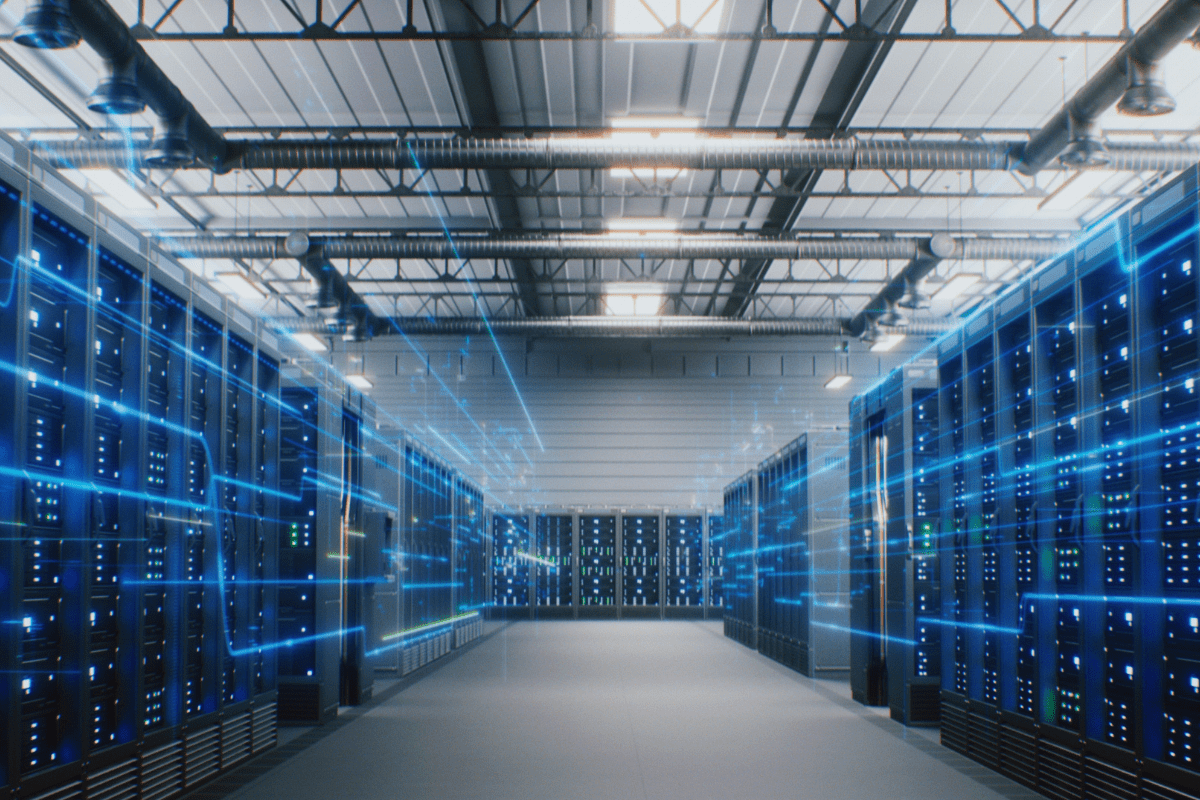
The dotcoms saw thousands of miles of fibre optics laid under the sea with no customers. Today, every new data centre has a lineup of clients eager to buy processing power.
However, revenues are not necessarily profits, so it remains to be seen if giants such as OpenAI and Anthropic will ever see positive cash flow.
What is not positive is voters’ reaction to new data centres. They see their power and water bills rising so they want the build-out of data centres to stop or, at the very least, slow down.
They showed their anger at the voting booth. Candidates who opposed new data centres were overwhelmingly voted into power.
Which brings us to the Nvidia scandal, with its 33-year leader Jensen Huang ousted for his extramarital affairs. Forget what and why it happened and just focus on the fact that the leading chip company – the heartbeat of AI – now finds itself forced to curtail its breakneck growth while it finds a new leader.
AI is too big and too important to stop. But the Nvidia scandal may just be the pin that slows it down.
Which may be a good thing, especially for those about to be replaced by it.
Oil Isn't Finished Yet
Another important investment is energy. The U.S. election was also a vote to end the Middle East war. Markets seem eager to price in peace, with the price of oil dropping sharply.
Withdrawing does not automatically create peace, however. Power vacuums tend to attract competing powers, which can sometimes increase instability rather than reduce it.
Whether America chooses a more aggressive approach or a more restrained one, the long-term backdrop is still supportive of oil. Supplies through the Strait of Hormuz remain restricted and we need to replenish the strategic petroleum reserves that were drained over the last six months.
Canadian producers should continue to be beneficiaries.
Just not this week.
The Biggest Lesson
The biggest lesson from this election is not a political one.
“It’s the economy, stupid.”
In 1992, Bill Clinton won the U.S. presidency by focusing on this handwritten sign in his campaign office.
Voters today are sending the same message.
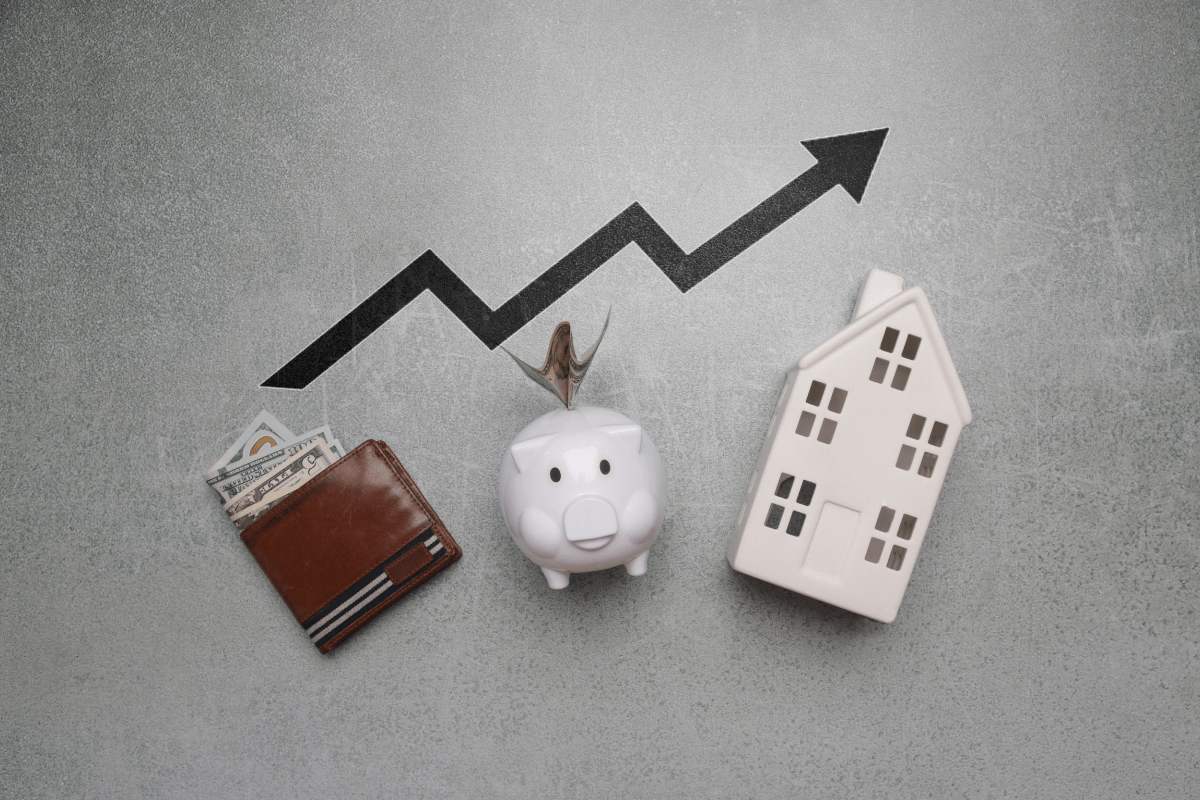
Life costs too much.
The election changed the political landscape but did not change human nature. People need affordable housing, affordable food, affordable fuel, and a better future.
Elections around the world are increasingly revolving around these issues.
And leaders who don’t deliver will be thrown out.
(GettyImages Creative #: 1402010728)