
Paul's Market Insights
Paul's Market Insights is our bi-weekly communique to provide clients with current insights on financial markets.
Written by Paul Siluch
November 28th, 2025
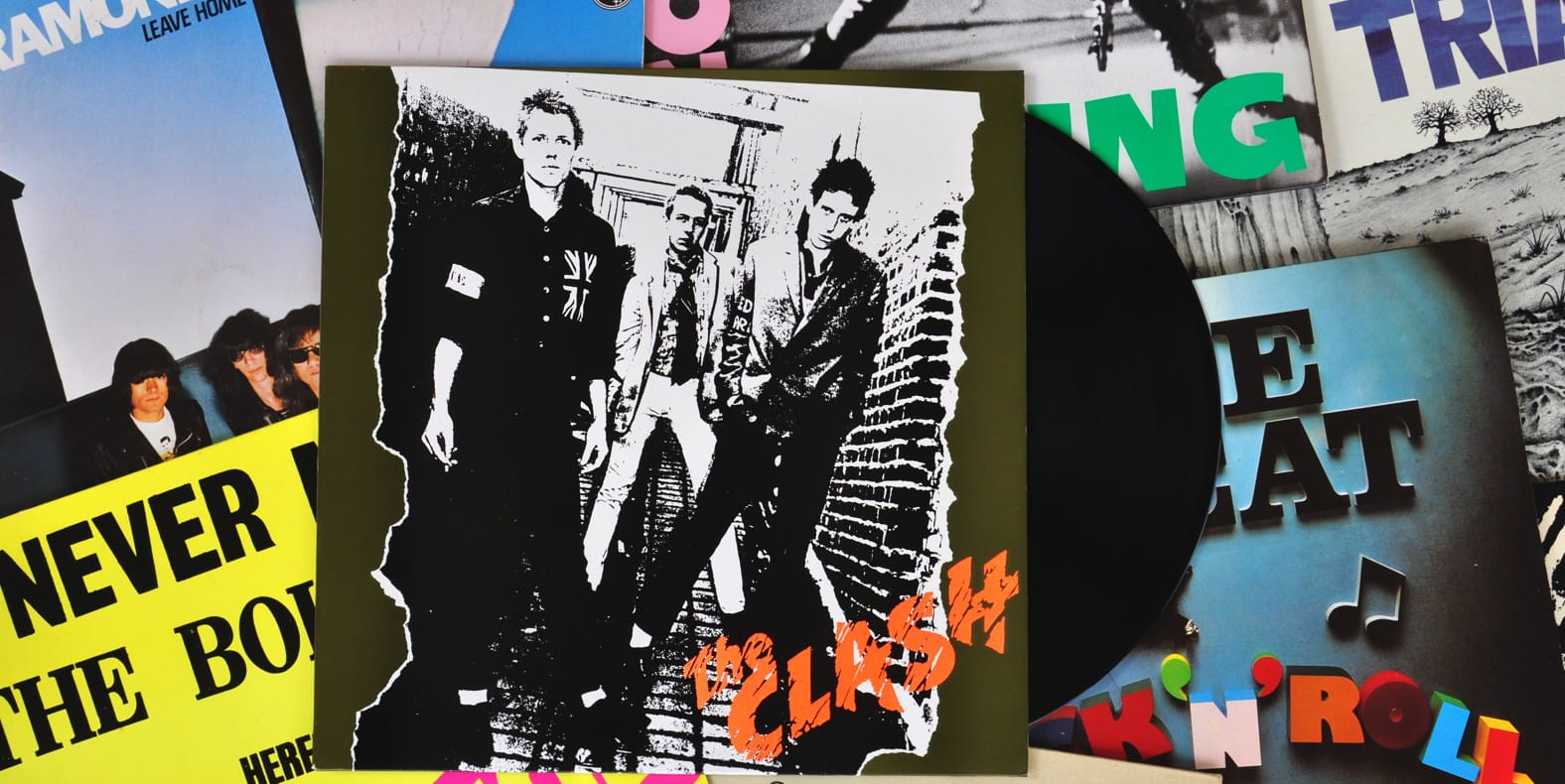
In 1982, a band called The Clash published a song about the lead singer’s struggles with a girl, as well as the possibility that he might leave the band.
Mick Jones, the lead singer, left the band in 1983. He should have stuck around. The song Should I Stay or Should I Go – a modest hit in 1982 – was featured in a Levi’s jeans commercial in 1991 and rocketed to #1.
Should I Go?
This is a question we get a lot, these days. Not about girls, though. About staying invested in the stock market after such a long rise.

Written by Paul Siluch
November 14th, 2025
History’s first loan is believed to have occurred in Mesopotamia around 3000-4000 BCE, when farmers borrowed seeds to plant their crop. As repayment, they promised a portion of their harvest in the fall. It became so common that the Sumerian word “mas” – which meant both ‘interest’ and ‘calf’ – came to reference loans repaid by livestock.
Over the years, granaries became both storage facilities and banks lending seed for the next year’s crop. Gold and silver evolved as the intermediary currency – seeds rot and are a clumsy form of permanent value – and the Egyptians introduced letters of credit, tying the metals to the loan to codify the transaction.
The Babylonian Code of Hammurabi in 1754 BCE capped the rate of interest on gold and silver loans at 33%. What a deal.
In their empires, the Greeks and Romans introduced pawnbrokers, which expanded borrowing further. These middlemen took other assets – collateral – to secure a loan of gold or silver. Modern banks still require similar collateralization when they lend today.